9+ curated guides • Updated August 2025
We've all heard the late-night talk show anecdotes of celebrities living in haunted mansions. But what happens when a ghostly encounter does more than just go bump in the night—what if it follows them into the recording studio or onto the film set? This is the story of the paranormal as the ultimate muse, revealing how chilling personal experiences shaped some of the most famous creative works we know and love. Forget simple campfire tales; we are peeling back the veil to examine how brushes with the other side become embedded in the very DNA of art. This is not about belief, but about influence—the spectral watermark left on a masterpiece, visible only to those who know how to look.
That messy, spicy platter of Buffalo wings is more than just bar food; it’s a masterclass in sensory engineering. We think we’re craving chicken, but we're actually chasing a complex trifecta of brain-hacking capsaicin, the cooling fat from blue cheese, and the deep-seated social permission to eat with our hands. Forget the best recipe—we're about to dissect the science of why you can't have just one. As a food scientist and culinary anthropologist, I see the Buffalo wing not as a meal, but as a carefully calibrated delivery system for a specific set of neurological and physiological responses. The heat, the fat, the tang, the texture, and even the social ritual surrounding its consumption are all meticulously, if accidentally, designed to bypass our rational minds and target the primitive reward centers of the brain. This isn't about hunger; it's about hacking our own biology for a uniquely satisfying experience.
Everyone is obsessed with Eddie Munson's necklace, but we've been looking at it all wrong. It's not just a cool accessory or a simple guitar pick; it's a carefully chosen piece of character armor, a relic pulled directly from the heart of 1980s metalhead culture. Let's decode the symbols forged into that chain and uncover the real-world story it tells about rebellion, identity, and belonging. This isn't merely about what the necklace is, but what it signifies—to Eddie, to the community he represents, and to the hostile world of Hawkins, Indiana. As a cultural historian, I see this object not as a prop, but as a primary source document. It’s a testament to the power of costume design to communicate a lifetime of experience, allegiance, and defiance in a single, potent symbol.
You know the feeling: the delivery driver arrives, you eagerly open the bag, and you're met with the disappointment of limp, lukewarm fries. We decided to declare war on this universal tragedy by ordering from every major delivery service to answer one crucial question: Who can actually get a perfect McDonald's order to your door? The french fry is a delicate marvel of food science—a golden, crispy exterior protecting a fluffy, potato-rich interior. But its perfection is fleeting. We treated this not as a simple taste test, but as a forensic investigation into the logistics of modern convenience. This is the Soggy Fry Test.
You hear the rumors: a Hollywood star is buying coffee in a Vancouver suburb, a music icon is grocery shopping in Toronto. Yet the frantic paparazzi chases and breathless tabloid headlines common in L.A. are conspicuously absent. It isn't just that Canadians are polite; it's that the country itself functions as a massive, unwritten witness protection program for the ultra-famous. As an American journalist who's spent the better part of a decade north of the border, I've watched this phenomenon unfold. It’s a powerful, passive system woven from a unique social fabric and reinforced by the sheer, daunting scale of the landscape. This isn't about who is here, but how they're allowed to be here, stripped of the static of their own fame and returned to the quiet frequency of everyday life.
In 2022, our handbags got weird. We carried impossibly tiny bags that couldn't fit a phone, or massive totes that could hold a weekend's worth of emotional baggage. This wasn't a random fashion fluke; it was a cultural conversation about who we became after the world changed. The accessories we chose to carry became our unwilling confessionals, broadcasting our anxieties, our newfound bravado, and our desperate search for control in a world that felt anything but. From the theatrical absurdity of the micro-bag to the cavernous security of the oversized tote, each trend was a chapter in our collective psychological recovery. This was not about utility; it was about identity.
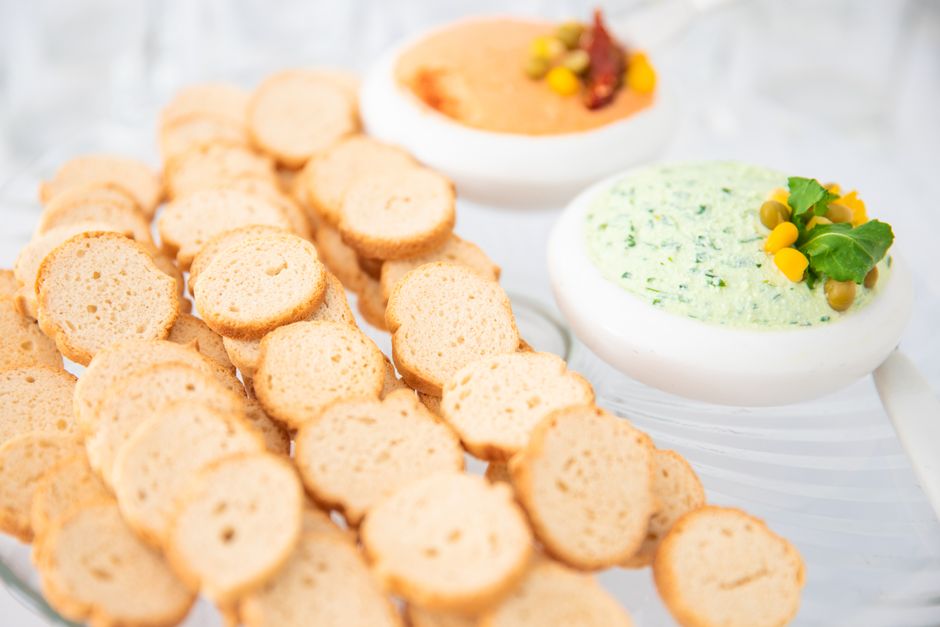
You scan the appetizer menu and your eyes land on the spinach dip, a comforting, reliable choice for $15. What you don't realize is that you're looking at a restaurant's secret cash cow. This humble dip, with its low-cost ingredients and simple prep, holds the key to understanding menu psychology and massive profit margins. I spent years on the line, slinging everything from delicate crudos to hundred-dollar steaks, and let me tell you, nothing made the chef-owner smile like seeing a dozen spinach dip orders pop up on the ticket machine. It's the financial engine humming quietly in the corner of the menu, and today, we're popping the hood.
For over three decades, we've watched the Forresters and Logans navigate amnesia, baby swaps, and endless betrayals. But what happens when the cameras stop rolling and the real-life drama of the cast becomes more shocking than any script? We're pulling back the curtain to reveal the moments the lines between B&B's fiction and the actors' reality blurred into one unbelievable story. From messy divorces that mirrored on-screen love triangles to legal troubles that made Ridge Forrester's questionable business ethics look like child's play, the personal lives of the B&B cast have provided plot twists even the most seasoned soap writer couldn't invent. This isn't just about gossip; it's about the fascinating, and often bizarre, parallel universe where the actors' lives become the ultimate cliffhanger.
While Western fashion often screams for attention with bold, statement jewelry, Korean style has perfected the art of the whisper. It’s a philosophy hidden in plain sight: the power isn't in one loud piece, but in the deliberate 'punctuation' of an outfit with tiny, strategic accessories. Forget everything you think you know about making an impact; we're about to decode the subtle language that makes K-fashion so effortlessly chic. This isn't just about 'less is more'; it's about making 'less' do more work. It’s a conscious choice to guide the eye, to add a final, perfect note to a composition, and to tell a story of restraint and confidence. As a stylist working in the heart of Seoul, I see this every day—the quiet power of a single, perfectly placed earring or a thin chain against a collarbone. It’s time to learn the grammar.